Greece and India: Strengthening Bilateral Ties and Exploring New Horizons
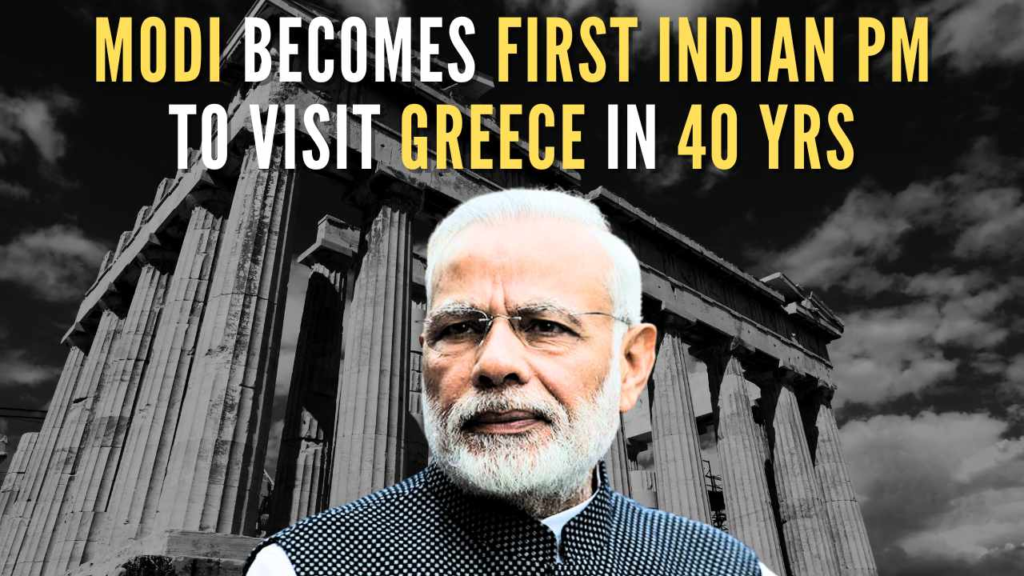
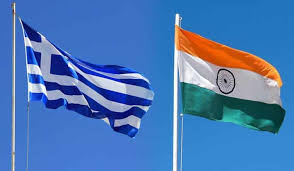
Greece and India, two ancient civilizations with rich cultural heritages, have increasingly found common ground in fostering bilateral cooperation. In recent years, their relationship has expanded beyond traditional diplomatic ties, encompassing diverse sectors such as trade, tourism, defense, technology, and education. As both nations continue to strengthen their partnership, the potential for collaboration presents significant opportunities for growth and mutual benefit.
Historical Ties and Diplomatic Relations
The relationship between Greece and India dates back to antiquity, with cultural and trade exchanges evident as early as the times of Alexander the Great and the Maurya Empire. Modern diplomatic relations were established in 1950, shortly after India gained independence. Over the decades, Greece and India have maintained cordial relations, characterized by mutual respect and shared values of democracy, peace, and pluralism.
Economic Cooperation: A Pillar of Growth
Economic cooperation forms a cornerstone of the Greece-India relationship. Bilateral trade between the two countries has seen steady growth, with both nations recognizing the potential for further expansion. Key sectors of trade include pharmaceuticals, textiles, information technology, agricultural products, and maritime services.
India is one of the largest importers of Greek goods, particularly in the fields of chemicals, minerals, and agricultural produce. Conversely, Greece imports significant quantities of Indian textiles, machinery, and automotive parts. Both governments are actively exploring ways to diversify and enhance trade ties, including through the promotion of investments and joint ventures.
Tourism: A Growing Sector of Exchange
Tourism is another vital area of cooperation. Both Greece and India are world-renowned travel destinations, each offering unique cultural and historical experiences. In recent years, there has been a surge in Indian tourists visiting Greece, attracted by its picturesque landscapes, ancient ruins, and vibrant culture. Similarly, Greece has been promoting India as a destination for Greek travelers, particularly emphasizing its diverse heritage, spiritual sites, and natural beauty.
The tourism sectors of both countries have recognized the potential for growth, leading to increased collaboration in areas such as tourism promotion, direct flight connectivity, and the development of travel packages that cater to the specific interests of tourists from each nation.
Defense and Security: Building Strategic Alliances
In the realm of defense and security, Greece and India have taken steps to bolster their cooperation. Both countries face common security challenges, such as terrorism and regional instability, which have prompted them to explore strategic partnerships. The defense ministries of Greece and India have engaged in dialogues to enhance collaboration in areas such as maritime security, counter-terrorism, and military training.
These efforts have been further strengthened by joint military exercises and high-level visits by defense officials, underscoring the commitment of both nations to work together in ensuring regional and global security.
Technology and Innovation: Exploring New Frontiers
The rapidly evolving fields of technology and innovation present exciting opportunities for Greece and India to collaborate. India’s prowess in information technology and software development, coupled with Greece’s growing interest in digital transformation, creates a fertile ground for partnerships in sectors such as artificial intelligence, cybersecurity, and digital infrastructure.
Both countries have expressed interest in fostering innovation-driven growth, with a focus on startups, research and development, and technology transfers. Collaborative efforts in these areas could pave the way for significant advancements, benefiting both economies and contributing to their global competitiveness.
Education and Cultural Exchange: Bridging Societies
Education and cultural exchange play a crucial role in strengthening the ties between Greece and India. Universities and educational institutions in both countries have increasingly engaged in academic collaborations, student exchange programs, and joint research initiatives. These efforts not only enhance the educational experiences of students but also foster deeper understanding and appreciation of each other’s cultures.
Cultural exchange programs, including art exhibitions, music festivals, and literary events, have also been instrumental in bringing the people of Greece and India closer. Such initiatives contribute to the preservation and promotion of their rich cultural heritages while fostering mutual respect and cooperation.
Conclusion: A Future of Shared Prosperity
The cooperation between Greece and India is a testament to the potential of bilateral partnerships built on mutual respect, shared values, and a commitment to exploring new horizons. As both nations continue to strengthen their ties across various sectors, the future holds promising prospects for enhanced collaboration and shared prosperity.
By capitalizing on their unique strengths and addressing common challenges, Greece and India can forge a partnership that not only benefits their respective economies and societies but also contributes to regional and global stability. As they continue to build on their historical ties, the relationship between Greece and India is set to reach new heights, fostering a future of enduring friendship and cooperation.